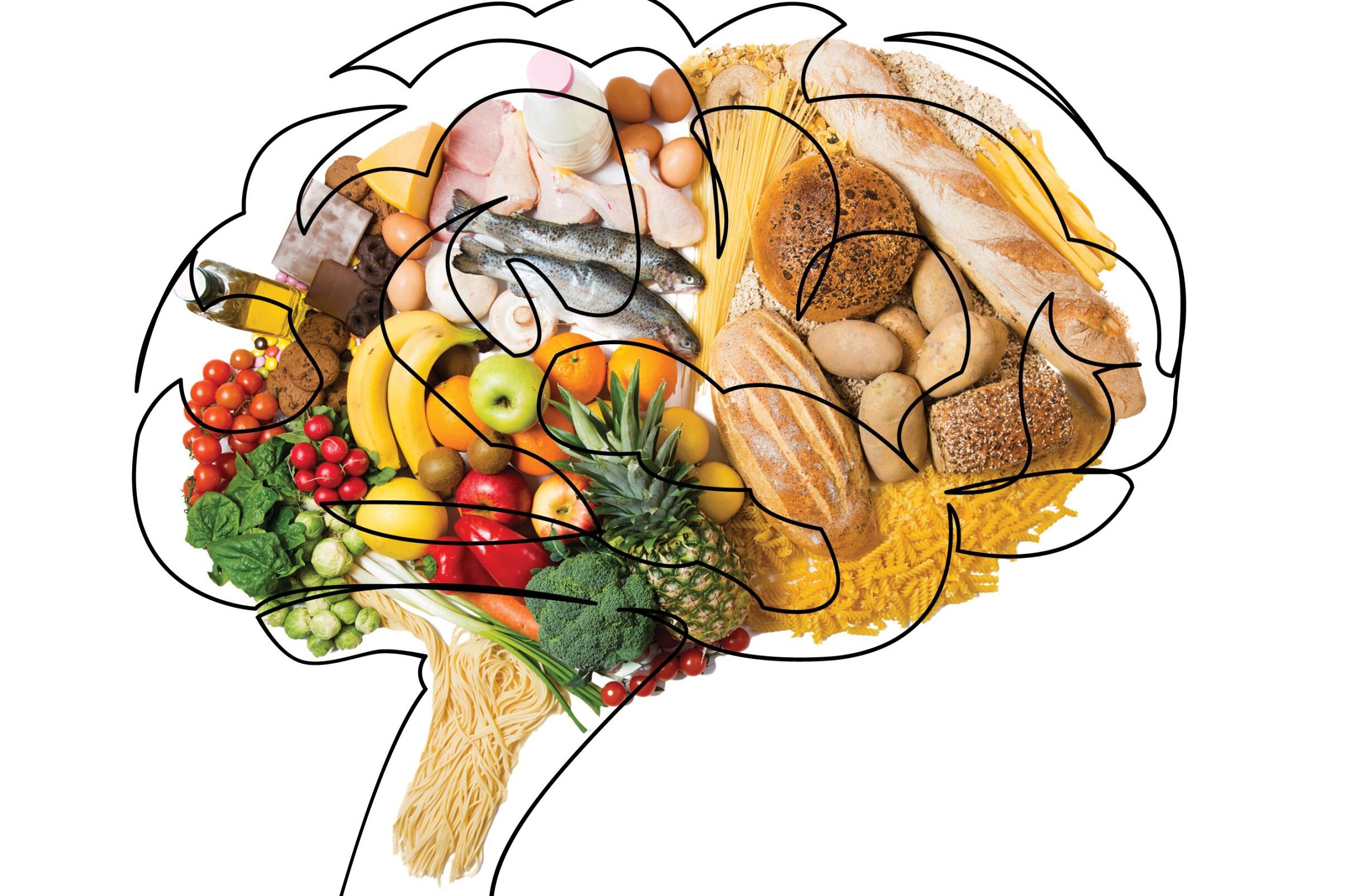

Plant proteins are a type of protein that comes from plant-based sources such as legumes, nuts, seeds, and grains. These proteins are essential for a healthy diet as they provide the necessary building blocks for the body to repair and grow tissues. Plant proteins are also important for maintaining a healthy immune system, as well as aiding in the production of enzymes and hormones. Incorporating plant proteins into one’s diet can lead to numerous health benefits, including improved digestion, increased energy levels, and better overall health.
Consuming plant proteins over animal proteins has been shown to have several benefits. Plant proteins are typically lower in saturated fat and cholesterol, making them a healthier alternative for those looking to reduce their risk of heart disease and other chronic illnesses. Additionally, plant proteins contain important nutrients such as fiber, vitamins, and minerals that are not typically found in animal proteins. Plant-based diets have also been linked to improved bone health and a lower risk of certain types of cancers.
Plant proteins are an excellent source of nutrition for those looking to nourish their bodies in a healthy and sustainable way. While plant proteins may not contain all the essential amino acids found in animal proteins, consuming a variety of plant-based sources can provide the necessary amino acids for a healthy diet. Plant-based protein powders, such as those made from pea, hemp, pumpkin seed, and alfalfa, are a convenient and effective way to incorporate plant proteins into one’s diet. By prioritizing plant-based proteins, individuals can improve their overall health and well-being while also supporting sustainable and ethical food production practices.
Types of plant proteins and their nutritional value
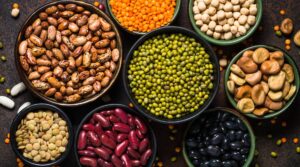
Legumes, such as beans, lentils, and peas, are a great source of plant-based protein and offer a variety of nutritional benefits. Legumes are high in protein, fiber, vitamins, and minerals, making them a nutritional powerhouse. They are also low in fat and cholesterol, making them a healthy alternative to animal-based proteins. Incorporating legumes into one’s diet can help improve heart health, aid in weight management, and provide sustained energy throughout the day. Some popular ways to incorporate legumes into meals include adding them to soups, salads, and stir-fries, or using them as a base for dips and spreads.
Nuts and seeds, such as almonds, chia seeds, and hemp seeds, are another excellent source of plant-based protein. They are also high in healthy fats, fiber, vitamins, and minerals. Hemp seeds, in particular, are a complete protein, meaning they contain all nine essential amino acids that the body needs. Nuts and seeds can be added to smoothies, oatmeal, or used as a topping for salads and yogurt bowls. They can also be used to make homemade nut butter or protein bars. Incorporating nuts and seeds into one’s diet can help improve heart health, reduce inflammation, and aid in weight management.
Whole grains, such as quinoa, brown rice, and oats, are not only a great source of carbohydrates but also contain a significant amount of protein. Quinoa, in particular, is a complete protein and contains all nine essential amino acids. Whole grains are also high in fiber, vitamins, and minerals, making them an essential component of a healthy diet. Incorporating whole grains into one’s diet can help improve digestion, lower cholesterol levels, and reduce the risk of chronic diseases such as diabetes and heart disease. Whole grains can be used in a variety of dishes, including salads, stir-fries, and grain bowls, or as a side dish to a main meal.
How to incorporate plant proteins into your diet
Plant-based protein powders and supplements are a convenient way to incorporate plant proteins into your diet. Products like Elm & Rye Protein Powders and Orgain Organic Vegan Protein Powder offer a vegan-friendly and organic source of protein. VeganWay is another popular plant protein powder in India, with the highest protein content of 25.7 gm per serving. Plantvital Plant Based Protein Powder is another option that includes 18 superfoods, veggies, and probiotics. Faster Way Pea Protein is an all-natural, 100% plant-based pea protein isolate made from organic ingredients, optimized for plant-based or vegan diets. These plant-based protein powders and supplements provide a quick and easy way to boost your protein intake and nourish your body.
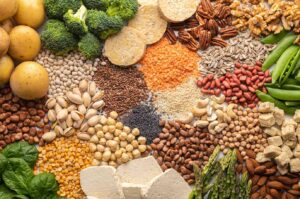
For vegetarians and vegans, there are many plant-based protein sources available. These include tofu, tempeh, lentils, nuts, seeds, and quinoa. Seitan is another popular protein source that is made from gluten, the main protein in wheat. Incorporating a variety of these plant-based protein sources into your meals can provide your body with the necessary amino acids it needs to function properly. Additionally, Rich Roll’s book “The Plantpower Way” offers 120 plant-based recipes for individuals looking to incorporate more plant-based proteins into their diet.
Simple and delicious plant-based protein recipes can also be easily made at home. For example, slow-cooked meals like stews and soups can incorporate a variety of plant-based protein sources, such as lentils, beans, and vegetables. Other recipe ideas include plant-based protein bowls with quinoa, roasted vegetables, and nuts, or tofu stir-fry with a variety of vegetables and a soy-based sauce. By incorporating these simple and delicious recipes into your diet, you can nourish your body with the benefits of plant-based proteins while enjoying tasty and satisfying meals.
Conclusion and final thoughts on the power of plant proteins
As the world becomes more conscious of the impact of our food choices on our health and the environment, plant-based proteins are gaining popularity in the food industry. Plant Proteins: Farm to Table, a comprehensive book on plant proteins, covers all aspects of plant proteins, including plant science, chemistry, processing, formulations, nutrition, and trends. Plant-based proteins present a promising solution to our nutritional needs due to their long history of crop use and cultivation, lower cost of production, and environmental benefits. As more companies invest in sustainable, plant-based protein products, the future of plant-based proteins in the food industry looks bright.
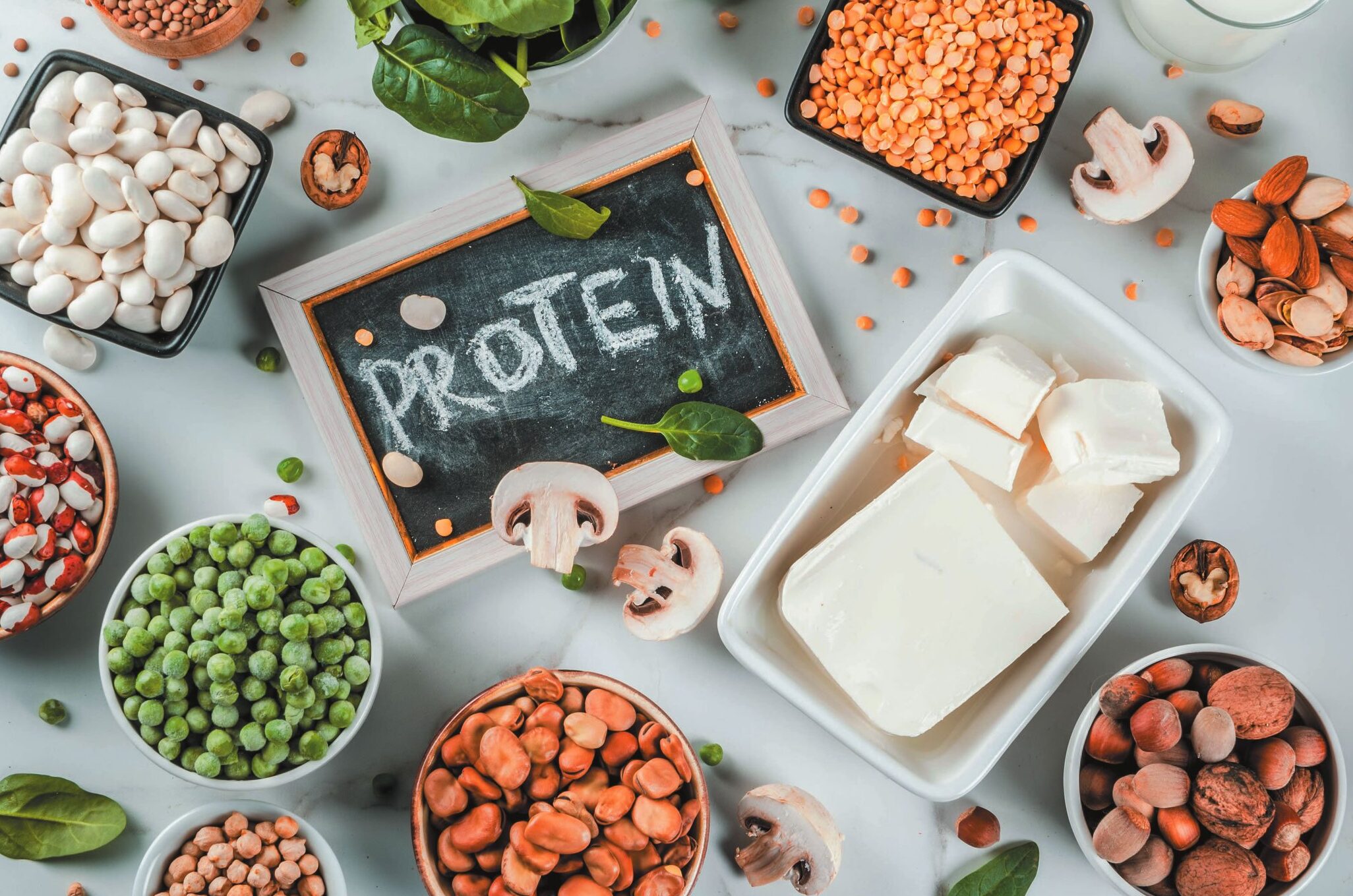
Consuming plant-based proteins not only benefits our health but also has a positive impact on the environment. Plant protein benefits can include a reduced environmental impact compared to animal proteins, as well as health benefits tied to nutrients found in plant-based foods. Incorporating more plant proteins into our diets can lead to a reduction in greenhouse gas emissions, land use, and water use. Therefore, consuming plant-based proteins is not only beneficial for our own health but also for the health of the planet.
In conclusion, the power of plant-based proteins cannot be overstated. Eating more plant foods is associated with longevity and reduced risk for most chronic diseases, including heart disease and type 2 diabetes. Incorporating plant-based proteins into our diets can be as simple as adding more legumes, nuts, and seeds, or trying plant-based protein powders. A Nutritarian diet, focusing on natural, minimally processed plant foods, is an excellent way to meet our nutritional needs. It is time to unleash the power of plant proteins and encourage others to try incorporating more plant-based proteins into their diets.