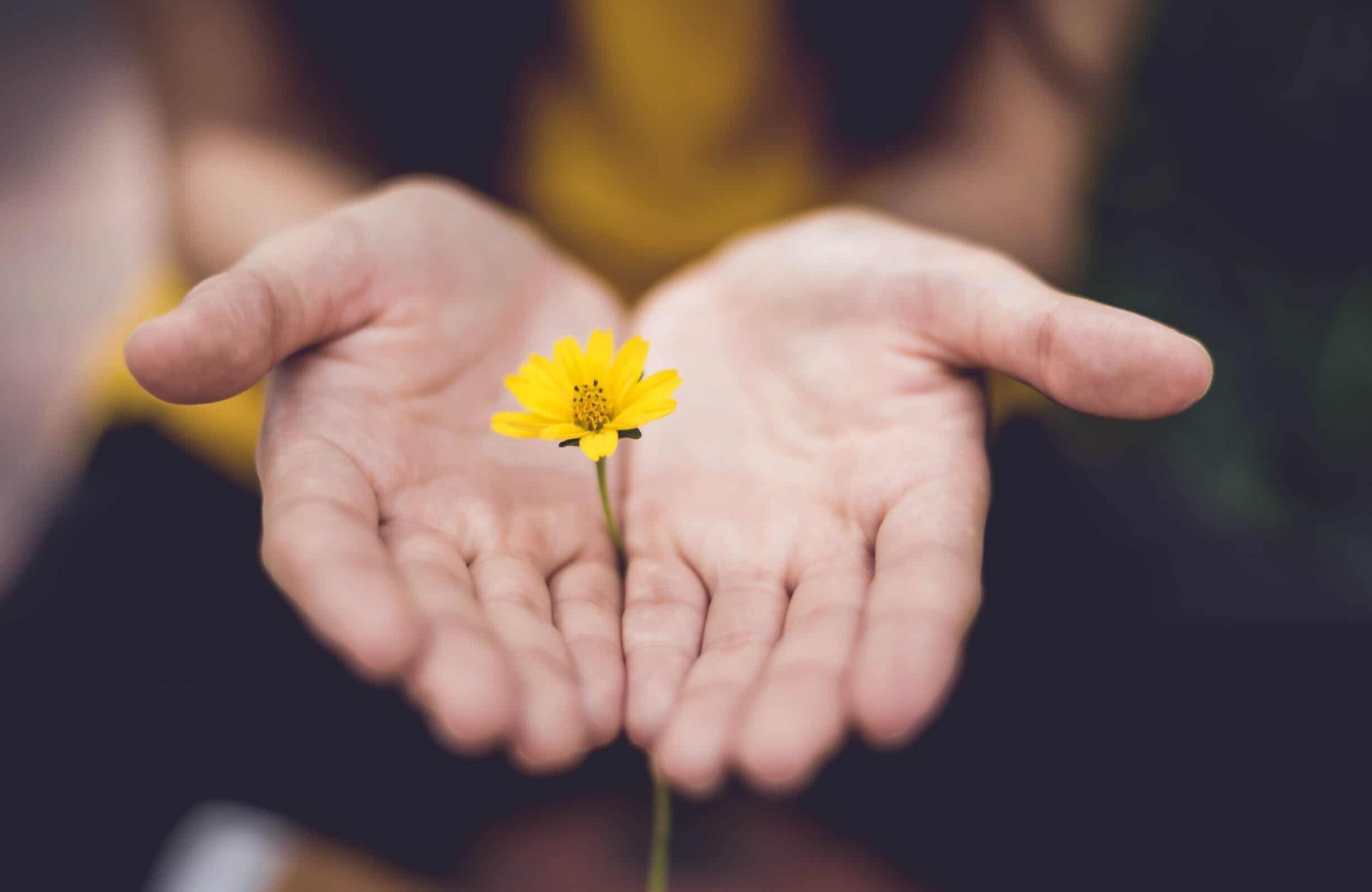

Mindfulness is a concept that has gained popularity in recent years, but what exactly does it mean? According to the definition provided by Mindful, mindfulness is “maintaining a moment-by-moment awareness of our thoughts, feelings, bodily sensations, and surrounding environment, through a gentle, non-judgmental lens”. Essentially, mindfulness involves being present in the moment and fully engaged with one’s surroundings. This can be achieved through various techniques, including meditation, breathing exercises, and body scans.
Practicing mindfulness has been shown to have numerous benefits for both mental and physical health. Studies have found that mindfulness meditation can increase activity in areas of the brain associated with emotional regulation, attention, and empathy. Additionally, mindfulness practice has been linked to reduced stress and anxiety, improved mood, and better sleep. Moreover, mindfulness can help individuals become more aware of their thoughts and emotions, which can lead to a greater sense of self-awareness and improved decision-making.
There are various techniques for practicing mindfulness, and it’s important to find the one that works best for you. Some people prefer sitting meditation or breath awareness practices, while others find walking or sound meditation more effective. Additionally, there are guided meditations and body scans that can be helpful for beginners. The key is to find a technique that resonates with you and to make mindfulness practice a regular part of your routine. With consistent practice, mindfulness can help you find inner peace, manage stress and anxiety, and improve your overall well-being.
The practice of meditation for inner peace
Meditation is a practice that has been used for centuries to achieve inner peace and tranquility. It involves focusing the mind and body to achieve a state of relaxation and calmness. There are various types of meditation practices, each with its own unique approach and purpose. Mindfulness meditation, for example, encourages individuals to suspend judgment and approach their experiences with warmth and curiosity. This type of meditation involves paying attention to the present moment, including thoughts, emotions, and sensations in a non-judgmental way. Other types of meditation practices include body scan meditation, loving-kindness meditation, and breathing techniques. Regardless of the type of meditation practice, the ultimate goal is to achieve a state of inner peace and tranquility.

Meditation has been found to have numerous benefits for both mental and physical health. Studies have shown that mindfulness meditation can increase activity in areas of the brain associated with emotional regulation, attention, and self-awareness. Furthermore, research studies have demonstrated that mindfulness meditation can be an effective treatment for mental health conditions such as anxiety and depression. Regular meditation practice can also lead to enhanced emotional well-being, better sleep, and improved overall health. In addition, studies have suggested possible benefits of meditation and mindfulness programs for weight loss and managing eating behaviors.
Incorporating meditation into one’s daily routine can have a profound impact on achieving inner peace and tranquility. By focusing on the present moment and cultivating a non-judgmental attitude, individuals can reduce stress and anxiety and improve their overall well-being. Whether it’s through guided meditation, mindfulness practices, or other techniques, meditation can provide a sense of calm, peace, and balance that can benefit both emotional and physical health. Research has shown that mindfulness meditation can change the brain and biology in positive ways, leading to improved mental and physical health. Therefore, incorporating meditation into daily life can be an effective way to achieve inner peace and improve overall well-being.
Incorporating mindfulness and meditation into daily life
Creating a mindful environment is an essential step in incorporating mindfulness and meditation into daily life. This can involve finding a quiet space free from distractions, such as electronics, and creating a calming atmosphere through the use of candles, incense, or soft lighting. Practicing mindfulness in a peaceful environment can help individuals become more aware of their thoughts and feelings, leading to increased clarity, focus, and compassion. Additionally, joining a meditation group or attending workshops can provide a supportive community for growth and learning.

Incorporating meditation into daily routines can be a challenge, but consistency and diligence are key. A beginner’s guide can provide a helpful starting point for those new to meditation, offering an overview of the various benefits of meditation and different techniques. Mindful in May is a month-long campaign that encourages individuals to integrate mindfulness and meditation into their daily lives, providing resources and support for those looking to establish a regular practice. From concentration meditation to loving-kindness meditation, there are a variety of practices to choose from that can be tailored to individual needs and preferences.
Overcoming challenges in mindfulness and meditation practice is a common experience, but there are strategies that can help. Mindfulness involves cultivating present-moment awareness and noticing bodily sensations, thoughts, and details in the environment. Counting breaths is a simple meditation technique that can help decrease mind wandering and negative thought loops. Additionally, mindfulness and meditation resources, such as books and online courses, can offer guidance and support for those struggling with their practice.With patience and persistence, individuals can develop a regular mindfulness and meditation practice that promotes inner peace and well-being.
Exploring the connection between mindfulness, meditation, and inner peace
Mindfulness and meditation are practices that have been found to be closely related to the attainment of inner peace. Mindfulness is the practice of being present and fully engaged in the current moment, while meditation is the practice of focusing one’s attention on a particular object, thought, or activity to achieve a state of mental clarity and emotional calm. Through mindfulness and meditation, individuals can cultivate a deeper understanding of themselves and their surroundings, which can lead to a sense of inner peace and contentment.
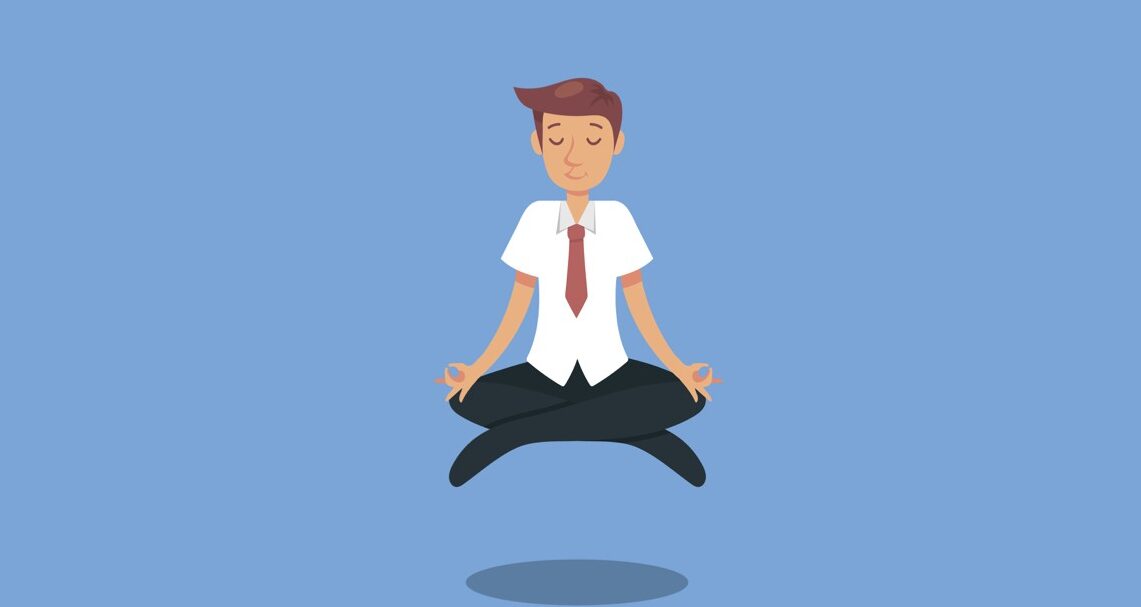
The science behind mindfulness and meditation is also compelling. Research has shown that the practice of mindfulness meditation can have a significant impact on the brain, resulting in positive changes in brain function and structure. Additionally, studies have suggested that mindfulness and meditation can improve mental and physical health, reduce symptoms of post-traumatic stress disorder (PTSD), and enhance overall well-being. By incorporating these practices into their daily lives, individuals can experience a greater sense of inner peace and well-being.
Personal experiences and success stories from individuals who have practiced mindfulness and meditation further highlight their ability to promote inner peace. Many people have found that incorporating mindfulness and meditation into their daily routine has helped them manage stress and anxiety, improve their mental and physical health, and cultivate a greater sense of inner peace and well-being. As such, mindfulness and meditation are powerful tools that individuals can use to achieve a greater sense of inner peace and contentment in their lives.