


Herbal medicine is a form of traditional medicine that involves the use of plants and plant extracts for medicinal purposes. It has been practiced for centuries and has its origins in ancient cultures. The use of herbal medicine can be traced back to the earliest human civilizations, including those of China, India, and Egypt. In African traditional medicine, for example, herbs, animal parts, and minerals are used to promote healing and maintain good health. Although modern medicine has largely replaced traditional herbal medicine in many parts of the world, the use of herbal remedies continues to be an important part of many cultures. In recent years, there has been a growing interest in herbal medicine as people seek natural and holistic approaches to healthcare.
The importance of herbal medicine in modern living cannot be overstated. Many of the drugs used in modern medicine have their origins in plant compounds, and herbal remedies continue to be an important source of new drugs. Additionally, the use of herbal medicine can be a cost-effective and accessible alternative to modern pharmaceuticals. The Herbal Apothecary, for example, provides an accessible and comprehensive introduction to plant-based medicine that incorporates both traditional wisdom and scientific information. Furthermore, the integration of traditional herbal medicine with modern medicine has been shown to be highly effective in treating a range of health conditions.
Despite the growing interest in herbal medicine, there is still much to be learned about the benefits and potential risks of using herbal remedies. Scientists are working to untangle the chemical secrets of ancient herbal recipes and to better understand the mechanisms of action of herbal compounds. Moreover, the use of herbal medicine has been met with skepticism by some in the medical community, who view it as primitive or unscientific. However, as more research is conducted and more people turn to natural and holistic approaches to healthcare, the importance of herbal medicine in modern living is likely to continue to grow.
Understanding the Benefits of Herbal Medicine
Herbal medicine has been used for centuries to treat and prevent various ailments. One of the main benefits of herbal medicine is its natural healing properties. Many herbs and plants contain compounds that have medicinal properties and can be used to treat a variety of conditions. For example, chamomile is known for its calming effects and can be used to treat anxiety and insomnia, while ginger can be used to relieve nausea and inflammation. By harnessing the power of nature, herbal medicine provides a natural and effective way to support the body’s healing process.
Another benefit of herbal medicine is its holistic approach to health. Herbal medicine takes into consideration the whole person, including their physical, emotional, and spiritual well-being. It recognizes that the body is interconnected and that imbalances in one area can affect the entire system. As a result, herbal medicine can be used to treat not just the physical symptoms of an ailment, but also the underlying causes. This approach can lead to improved overall health and well-being.
Herbal medicine can also be used for the prevention and treatment of various ailments. Many herbs and plants have been found to have antibacterial, antiviral, and anti-inflammatory properties. For example, echinacea is commonly used to prevent and treat colds and flu, while garlic is known for its immune-boosting properties. Additionally, herbal medicine can be used to support the body’s natural healing process and promote overall health and wellness. By incorporating herbal medicine into one’s daily routine, individuals can take a proactive approach to their health and well-being.
Common Herbs Used in Herbal Medicine
Herbal medicine has been used for centuries to treat a variety of ailments and improve overall health. Some of the most commonly used herbs in herbal medicine include ginger, turmeric, and garlic. Turmeric, in particular, has been used for thousands of years in Ayurvedic medicine to treat sprains and swelling. Turmeric, along with ginger, tamarind, lime, cinnamon, garlic, and apple cider vinegar, has anti-inflammatory, anti-viral, and anti-bacterial properties. Incorporating these herbs into one’s diet or using them in supplement form can provide numerous health benefits, including reducing inflammation and improving immune function.
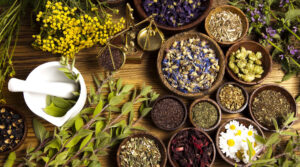
Other commonly used herbs in herbal medicine include chamomile, lavender, and echinacea. Chamomile has been used for centuries for its calming properties and is thought to have anti-anxiety effects. Lavender is another herb with calming properties that can be used to promote relaxation and reduce stress. Echinacea is often used to boost the immune system and prevent colds and flu. While these herbs are generally considered safe, it is important to consult with a healthcare provider before using them, particularly if you are taking medication or have a medical condition.
Ginseng, milk thistle, and St. John’s Wort are also commonly used in herbal medicine. Ginseng is often used to improve energy levels and cognitive function. Milk thistle is a popular herb used to support liver health and may be effective in treating liver disorders. St. John’s Wort is often used to treat depression and anxiety, although it can interfere with some medications and anesthesia. As with all herbs, it is important to use caution and consult with a healthcare provider before using them to avoid potential side effects or interactions with medications.
Incorporating Herbal Medicine into Your Lifestyle
Incorporating herbal medicine into one’s lifestyle can provide numerous health benefits. Consulting with a herbal practitioner can be a great first step in learning about the various herbs and their medicinal properties. A herbal practitioner can also provide guidance on the appropriate dosage and usage of herbs based on an individual’s specific health needs. Additionally, growing and harvesting herbs at home can be a rewarding and cost-effective way to incorporate herbal medicine into one’s daily routine. This can include growing herbs in a garden or in pots indoors, as well as harvesting wild herbs found in nature.
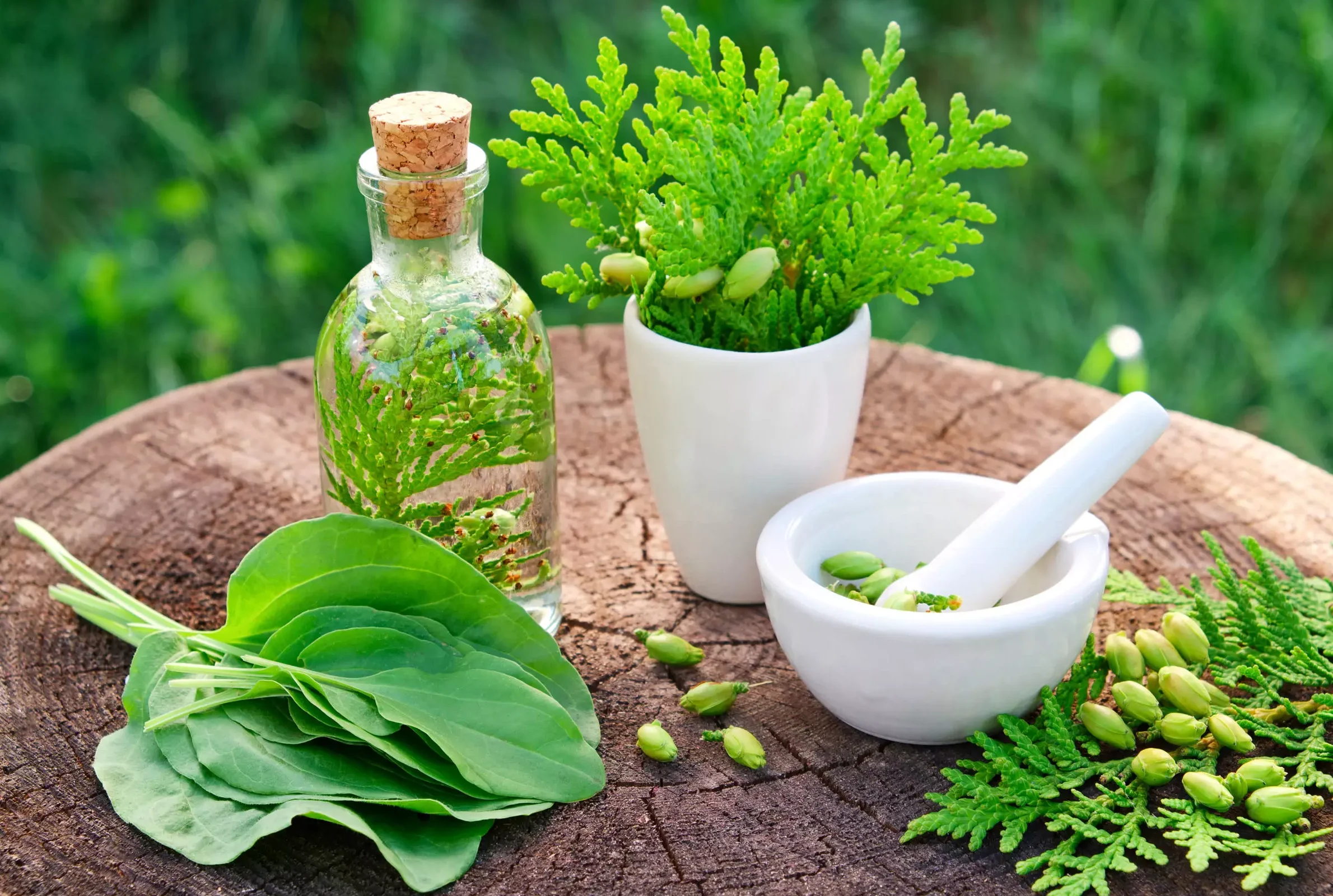
Preparing and using herbal remedies at home can also be a simple and effective way to incorporate herbal medicine into one’s lifestyle. This can include making teas, tinctures, and salves from various herbs, as well as incorporating herbs into cooking and baking. However, it is important to note that not all herbs are safe for consumption, and it is essential to research and consult with a herbal practitioner before using any new herb or remedy.
The ancient wisdom of herbal medicine has been passed down through generations and continues to be a growing field with a long tradition. There are numerous resources available for those interested in learning more about herbal medicine, including books on herbal remedies and the history of herbal medicine.Incorporating herbal medicine into one’s lifestyle can provide a natural and holistic approach to health and wellness.