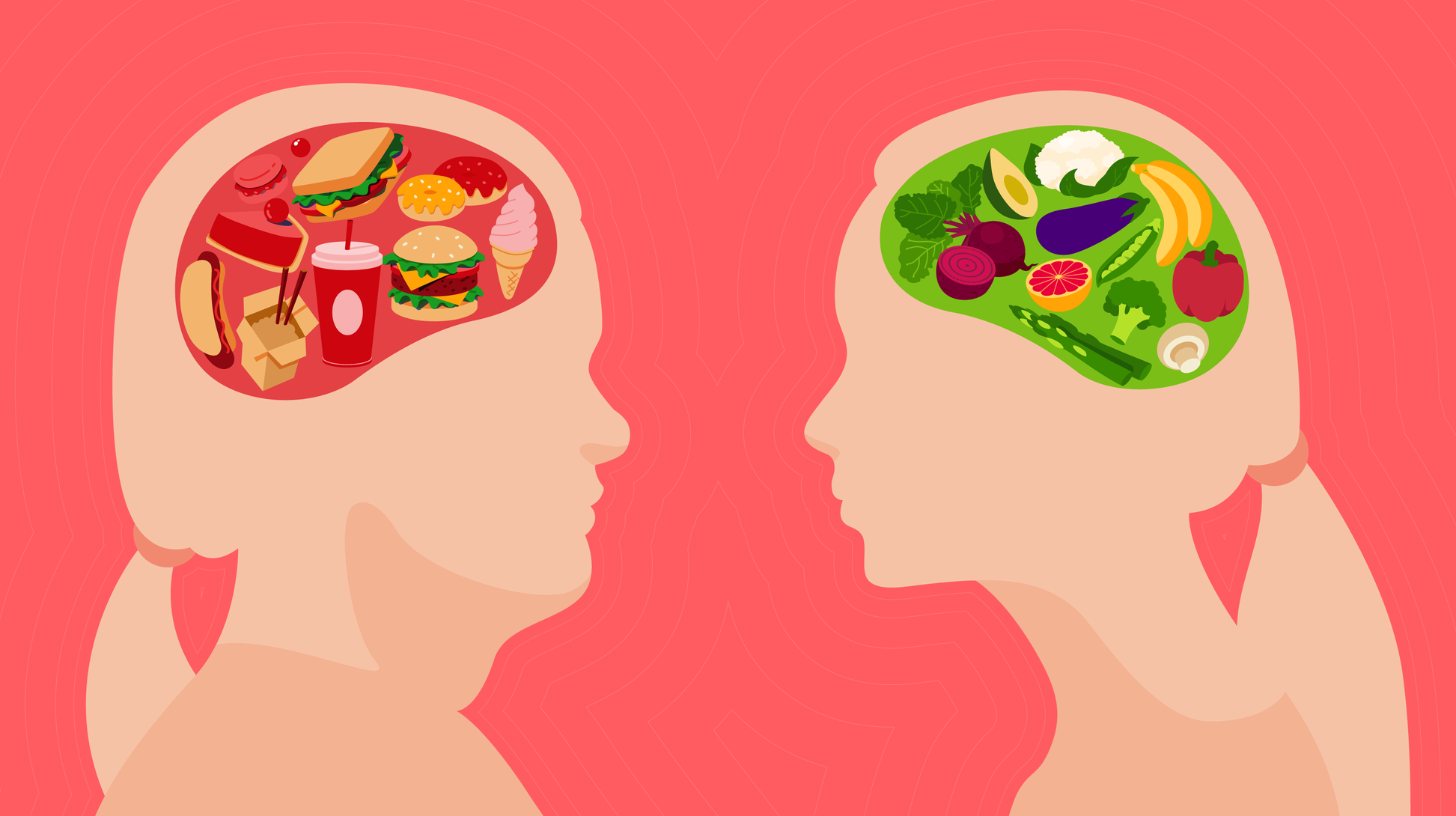

The food we eat has a significant impact on our overall well-being, including our mental health. While the importance of nutrition for physical health is well-known, research also suggests that our diet directly affects our mental and emotional health. Eating a balanced diet is crucial to maintain good health and prevent chronic diseases. A balanced diet should include a variety of fruits, vegetables, whole grains, lean proteins, and healthy fats. Consuming these nutrient-dense foods can help boost energy levels, mood, and overall well-being. Therefore, it is essential to pay attention to what we eat to maintain good physical and mental health.
The food we eat can also affect our mood and emotions. Certain foods, such as those high in sugar and processed carbohydrates, can lead to energy crashes and mood swings. On the other hand, consuming foods rich in omega-3 fatty acids, such as salmon and dark green leafy vegetables, can help boost mood and reduce symptoms of depression. Research has also shown that adhering to a healthy or Mediterranean dietary pattern, which includes high consumption of fruits and vegetables, can improve mental health outcomes. Therefore, making healthy food choices can have a significant impact on our mood and emotional well-being.
Nutrition plays a crucial role in mental health, and research has shown that a healthy diet can help prevent and treat depression. Consuming fewer processed foods and more whole, unrefined foods can lead to better brain and emotional health. Eating high-quality foods that contain lots of vitamins, minerals, and antioxidants can nourish the brain and protect it from oxidative stress. Therefore, it is essential to prioritize a healthy diet to maintain good mental health and overall well-being.
Nutrients that promote happiness and wellbeing
Consuming a diet rich in omega-3 fatty acids has been shown to promote happiness and well-being. Omega-3 fatty acids are commonly found in oily fish, nuts, seeds, leafy vegetables, eggs, and grass-fed meats. Studies have shown that a diet deficient in omega-3 fatty acids can lead to symptoms of depression. Additionally, a 2021 study found that consuming foods rich in selenium and omega-3 fatty acids had no impact on brain health. Therefore, incorporating omega-3 fatty acids into one’s diet can contribute to improved mental health and overall well-being.
Complex carbohydrates have also been found to positively impact mood and well-being. Foods such as pumpkin seeds, apples, chickpeas, strawberries, and oatmeal are all complex carbohydrates that can provide sustained energy and promote feelings of happiness. Conversely, consuming high levels of processed carbohydrates has been linked to increased feelings of depression and anxiety. Simple carbohydrates found in sugary snacks and drinks can cause rapid spikes and drops in blood sugar levels, leading to feelings of happiness and then a subsequent crash. Therefore, incorporating complex carbohydrates into one’s diet can contribute to improved mood and overall well-being.
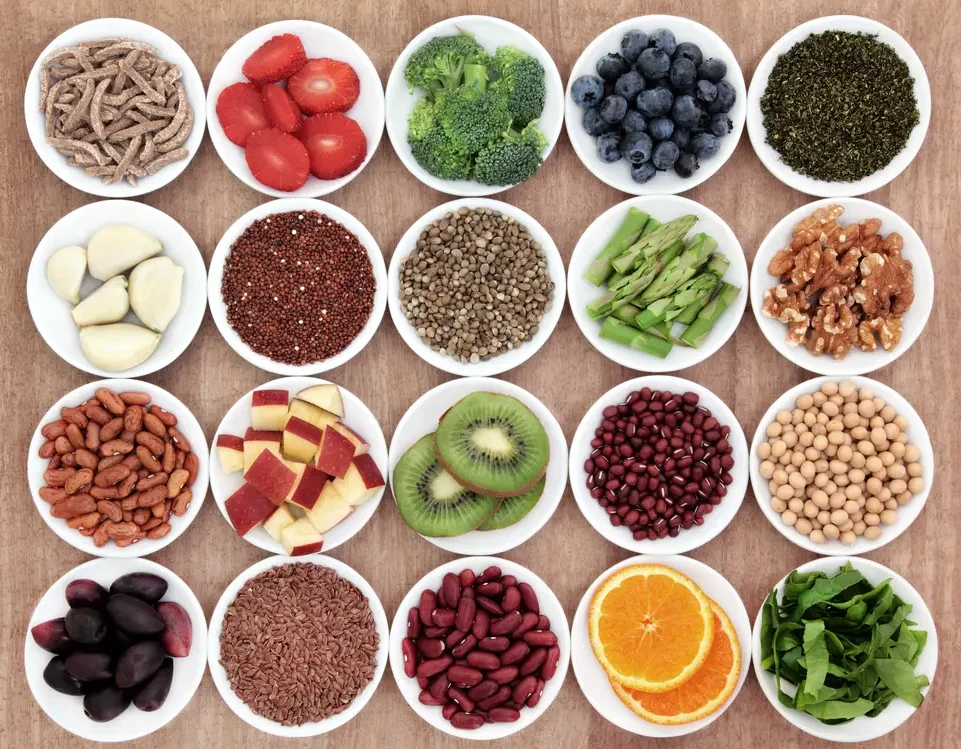
Antioxidants are another important nutrient that can promote happiness and well-being. Foods such as berries, leafy green vegetables, turmeric, and dark chocolate are all rich in antioxidants. Studies have shown that a diet high in antioxidants can increase feel-good chemicals in the brain and improve mood. Additionally, a 2021 study found that consuming antioxidant-rich foods can promote brain health. Therefore, incorporating antioxidant-rich foods into one’s diet can contribute to improved mental health and overall well-being.
Foods that boost happiness and wellbeing
Certain foods have been found to boost happiness and well-being, and one of these is dark chocolate. Dark chocolate is rich in compounds that can increase the production of feel-good chemicals in the brain, which can help alleviate emotional stress and improve mood. Additionally, the antioxidants in dark chocolate have been shown to lower blood pressure, reduce the risk of clotting, and increase blood circulation, all of which can contribute to better cardiovascular health. Incorporating small amounts of dark chocolate into your diet can be a simple and enjoyable way to boost your overall well-being.
Berries are another type of food that can have a positive impact on happiness and well-being. Berries are rich in antioxidants, which can help protect the brain from oxidative stress and inflammation. Eating berries has also been linked to improved cognitive function and a reduced risk of depression. Adding berries to your diet, whether fresh or frozen, can be an easy way to incorporate more happiness-boosting foods into your meals.

Fermented foods, such as yogurt, kefir, sauerkraut, and kimchi, have been shown to have a positive impact on gut health, which can in turn influence overall well-being. Research suggests that a healthy gut can contribute to improved mental health and reduced anxiety. Fermented foods contain probiotics, which can help promote a healthy balance of gut bacteria and improve digestion. Additionally, fermented foods have been linked to increased production of serotonin, a neurotransmitter that can help regulate mood and reduce anxiety. Incorporating fermented foods into your diet can be a simple way to promote gut health and boost happiness and well-being.
The impact of unhealthy diets on mental health and wellbeing
Unhealthy diets, particularly those high in highly processed foods and sugar, have been linked to negative impacts on mental health and well-being. Studies have shown that processed foods, which are high in flours and sugar, can train the brain to crave more unhealthy foods, leading to a cycle of unhealthy eating habits. Additionally, consuming high levels of processed carbohydrates has been linked to an increased risk of mood disorders. Sugar and processed foods can also lead to inflammation throughout the body and brain, which may contribute to mood disorders such as anxiety and depression. Therefore, it is crucial to limit the consumption of highly processed foods and sugar to maintain good mental health and well-being.

Fast food, which is often high in unhealthy fats, has also been linked to mood disorders. A diet high in fast food has been associated with an increased risk of depression and anxiety. In contrast, a Mediterranean-style diet consisting of whole, unprocessed foods, such as fruits, vegetables, nuts, and whole grains, has been found to have a positive impact on mental health. Studies have shown that adherence to healthy eating patterns is associated with better mental health than consuming unhealthy foods. Therefore, it is important to prioritize a healthy diet and avoid fast food to promote good mental health and well-being.
The connection between diet and depression is a growing area of research. Studies have found that clean diets consisting mainly of whole, unprocessed foods can help with symptoms of depression and anxiety. In fact, greater fruit and vegetable consumption has been positively associated with reduced depression and less psychological distress. Therefore, it is crucial to prioritize a diet consisting of whole, unprocessed foods to promote good mental health and well-being.